Burger Catering Concept: A Strategic Visual Identity for Food Service Brands
In the competitive landscape of the food and beverage industry, visual identity serves as the first point of contact between a brand and its potential customers. The Burger Catering Concept represents more than just a graphic element; it is a comprehensive design solution tailored for businesses operating within the culinary sector. Whether managing a high-volume diner, an artisanal cafe, or a mobile catering service, the need for a distinct and professional logo is paramount. This concept provides a vector-based foundation that addresses the specific aesthetic and functional requirements of modern food service branding.
For entrepreneurs and marketing managers evaluating design resources, understanding the technical and creative specifications of such a concept is essential. It is not merely about selecting an image but choosing a scalable asset that can adapt across various mediums, from digital menus to large-scale signage. This article explores the distinct features of the Burger Catering Concept, compares it with alternative design approaches, and outlines the scenarios where this type of resource offers the most value.
Defining the Burger Catering Concept and Its Core Features
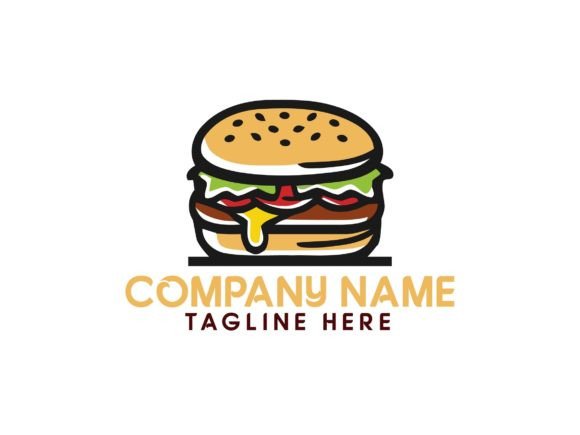
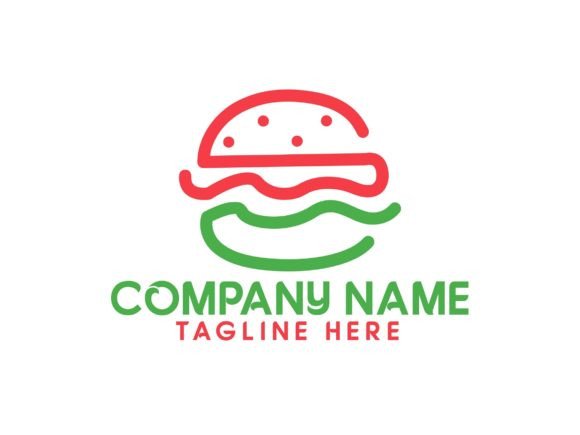
The Burger Catering Concept is designed to encapsulate the essence of cooking, cuisine, and cookery in a single, cohesive visual mark. At its core, it utilizes universal symbols associated with the restaurant industry—such as stylized burger icons, cutlery, or chef elements—to create immediate recognition. However, its utility extends beyond simple iconography. The design is engineered to be versatile, serving as a label for menus, a badge for uniforms, or a header for digital platforms.
One of the primary distinctions of this concept is its technical construction. It is delivered as a 100% vector-based file. In graphic design, vector graphics are created using mathematical paths rather than pixels. This means the logo can be scaled infinitely without any loss of quality. For a catering business, this is a critical feature. A logo might need to appear on a small business card one day and a massive banner at a food festival the next. A raster image (like a standard JPEG or PNG) would become pixelated and unprofessional when enlarged, whereas a vector file remains crisp and clean at any size.
Furthermore, the concept emphasizes editability. The files include editable text layers, allowing business owners to customize the brand name, tagline, or establishment year directly within design software. This flexibility reduces the dependency on hiring a graphic designer for every minor textual change, offering a practical advantage for startups and small businesses managing tight budgets.
Comparative Analysis: Template-Based Concepts vs. Custom Design
When establishing a brand identity, business owners typically face a choice between commissioning a custom-designed logo from scratch or utilizing a pre-made concept like the Burger Catering Concept. Each approach has distinct tradeoffs regarding cost, time, and uniqueness.
Custom Design involves working directly with a graphic designer to create a unique symbol from the ground up. The primary benefit is exclusivity; the resulting logo is one-of-a-kind. However, this process is often time-consuming and expensive. It requires multiple rounds of revisions, clear communication of vision, and a significant financial investment. For new ventures or pop-up catering services with limited runway, this may not be the most efficient allocation of resources.
In contrast, the Burger Catering Concept offers a middle ground. It provides a high-quality, professional aesthetic at a fraction of the cost of custom design. While it is not entirely unique in the sense that others may purchase the same template, the ability to edit colors, fonts, and layout allows for a degree of customization that differentiates the brand. The inclusion of a Readme file and links to the specific fonts used ensures that users can maintain consistency in their branding efforts. This approach is particularly suitable for businesses that need to launch quickly or those testing a market concept before committing to a full rebrand.
Evaluating File Formats and Technical Usability
The usability of a design asset is determined by the formats in which it is available. The Burger Catering Concept typically includes EPS and JPG formats, each serving different purposes in a business’s operational workflow.
- EPS (Encapsulated PostScript): This is the industry-standard format for vector graphics. It is compatible with professional design software such as Adobe Illustrator, CorelDRAW, and Inkscape. This format is essential for printers and manufacturers who need to produce high-resolution materials like signage, packaging, and embroidered uniforms.
- JPG (Joint Photographic Experts Group): This is a raster format suitable for web use, social media profiles, and digital documents. While not scalable without quality loss, it is universally compatible and easy to upload to various platforms without specialized software.
The availability of both formats ensures that the user is equipped for both print and digital applications. Additionally, the provision of a help file with font links simplifies the editing process. Users can easily download the required typography to ensure that any text modifications match the original design intent, maintaining visual harmony.
Best-Fit Scenarios for the Burger Catering Concept
Identifying whether this design concept aligns with your business needs requires an assessment of your current stage, budget, and branding goals. The Burger Catering Concept is ideally suited for several specific scenarios:
- New Restaurant Launches: Startups often need a complete visual identity package quickly. Using a pre-designed, editable concept allows for rapid deployment of menus, signage, and online presence.
- Catering Services and Food Trucks: These businesses rely heavily on mobile visibility. The scalable nature of the vector logo ensures that branding looks professional on vehicle wraps and portable displays.
- Menu and Label Design: The concept’s focus on cuisine and cookery makes it an excellent anchor for menu headers or product labels. It provides a thematic frame that enhances the appeal of food items.
- Budget-Conscious Rebrands: Established businesses looking to refresh their image without the expense of a full agency overhaul can utilize this concept as a foundational element, tweaking colors and text to align with new directions.
However, there are situations where this option may not be the best fit. Large franchise operations or brands seeking strict trademark protection may find pre-made concepts limiting. Since the base design is available to multiple users, securing exclusive intellectual property rights can be challenging. In such cases, investing in a fully custom, legally vetted design is necessary.
Practical Considerations for Implementation
To maximize the value of the Burger Catering Concept, users should approach implementation with a strategic mindset. Simply inserting a business name into the template is not enough. Consider the following practical steps:
Color Psychology: While the template comes with a default color scheme, altering the palette can significantly impact customer perception. Warm colors like red and yellow are known to stimulate appetite, making them popular choices for burger joints and diners. Conversely, greens and browns might suggest organic or healthy options. Use the editable features to align the logo’s colors with your specific culinary niche.
Typography Selection: The font plays a crucial role in conveying tone. A bold, sans-serif font might suggest modernity and speed, suitable for fast-casual dining. A serif or script font could imply tradition and artisanal quality. Ensure that the font linked in the help file matches the personality of your brand. If the included font does not fit, consider replacing it with a similar, licensed alternative that better reflects your brand voice.
Consistency Across Platforms: Once the logo is finalized, ensure it is applied consistently across all touchpoints. Use the EPS file for all print materials to guarantee sharpness, and optimize the JPG for web use to ensure fast loading times. Consistency builds trust and recognition among customers.
Support and Customization Assistance
Even with user-friendly, editable files, some users may encounter challenges during the customization process. Recognizing this, providers of the Burger Catering Concept often offer support channels. Should you require alterations, assistance with editing, or conversion to different file formats, reaching out to the design provider can bridge the gap between a template and a polished final product.
This support is particularly valuable for users who are not proficient in vector graphic software. Professional assistance can ensure that the final output meets industry standards for print and digital display, preventing common errors such as incorrect color modes (CMYK vs. RGB) or low-resolution exports.
Making an Informed Decision
The decision to adopt the Burger Catering Concept should be based on a balanced evaluation of your business’s immediate needs and long-term goals. It offers a compelling combination of quality, flexibility, and affordability. For many small to medium-sized food service businesses, it provides a professional foundation that supports growth without requiring a substantial upfront investment in design.
By understanding the technical advantages of vector-based files, the importance of editable text, and the strategic application of visual elements, business owners can leverage this concept effectively. It is a tool that, when used correctly, enhances brand visibility and communicates professionalism to customers. As with any branding decision, careful consideration of your unique context will ensure that the chosen visual identity serves your business well in the competitive culinary marketplace.