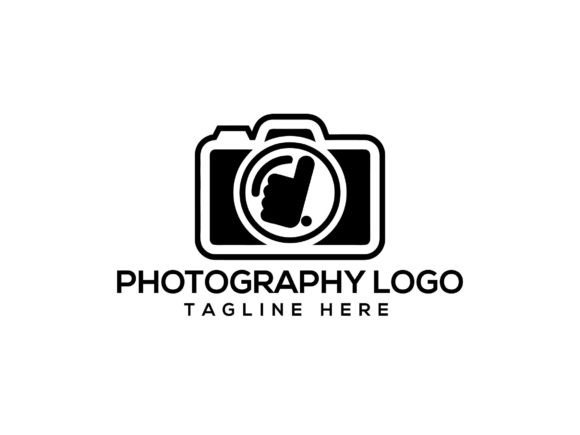
Linear Logo of the Photographer
In the visual economy of modern business, clarity is not just an aesthetic choice; it is a strategic asset. For professionals in the photography industry, the challenge often lies in communicating technical precision and artistic vision simultaneously. This is where the Linear Logo of the Photographer emerges as a vital tool. It is more than a simple graphic; it is a foundational element for branding that speaks to accuracy, modernity, and professionalism. Whether you are launching a new studio, rebranding an existing portfolio, or designing assets for a camera retail business, this vector-based template offers a versatile starting point that respects the nuances of the craft.
The Power of Minimalist Design in Photography Branding
Photography is, at its core, the art of subtraction. A great photographer knows what to leave out of the frame to highlight the subject. Similarly, a great logo removes the unnecessary to highlight the brand identity. The linear style utilized in this template mirrors this philosophy. By relying on clean lines and geometric precision, the design avoids the clutter that often plagues amateur branding efforts. This approach ensures that the logo remains legible and impactful across various mediums, from the tiny favicon on a website browser tab to large-scale signage at a gallery exhibition.
The Linear Logo of the Photographer is specifically engineered for businesses dealing with the sales of cameras, lenses, and photography equipment, as well as for service-based photographers who wish to emphasize their technical expertise. The iconography typically incorporates subtle nods to camera mechanics—such as aperture blades, shutter mechanisms, or lens outlines—rendered in a sleek, continuous line weight. This creates an immediate cognitive association with the industry without resorting to clichéd or overly complex illustrations.
Versatility Through Vector Architecture
One of the most significant advantages of this template is its technical foundation. Being 100% vector-based, the logo is infinitely scalable. This means you can resize the graphic from the dimensions of a business card to the side of a delivery van without losing a single pixel of quality. For entrepreneurs and small business owners, this scalability is crucial. It future-proofs your branding, allowing you to expand into new markets or platforms without the need for costly redesigns.
The file formats included—specifically EPS and JPG—cover the majority of use cases. The EPS file is essential for professional printing and further editing in software like Adobe Illustrator or CorelDRAW. It allows designers to manipulate anchor points, adjust stroke weights, and change colors with absolute precision. The JPG format provides a ready-to-use raster image for quick digital applications, such as social media profiles or email signatures. Additionally, the inclusion of editable text files means that typography is not an afterthought. You can customize the font to match your brand’s voice, whether that voice is bold and authoritative or light and elegant.
Creative Applications for Diverse Users
The utility of the Linear Logo of the Photographer extends beyond the obvious. While it is perfect for portrait photographers and wedding specialists, its clean aesthetic makes it equally suitable for adjacent industries. Consider how different users can adapt this asset:
- Camera Retailers and Repair Shops: The technical look of the linear icon conveys reliability and expertise. It suggests that the business understands the mechanics behind the image, building trust with customers looking for high-end gear or repair services.
- Photography Educators and Bloggers: For those teaching the craft, the logo’s clarity reflects the educational goal of demystifying complex concepts. It works well on course materials, YouTube thumbnails, and ebook covers.
- Photo Editing Software Developers: Tech-focused brands in the photography space benefit from the modern, digital-friendly appearance of the linear design. It aligns well with user interface design principles.
- Freelance Visual Consultants: If you offer branding services to photographers, using this template as a base allows you to demonstrate quick, high-quality mockups to clients, showcasing how a clean identity can elevate their perceived value.
Customization Strategies for Brand Consistency
While the template provides a strong structural foundation, true brand identity comes from customization. The provided help file includes links to the fonts used, ensuring that you can maintain typographic consistency across all your marketing materials. When editing the logo, consider the psychological impact of color. While the default linear design may be black or monochrome, photography is a vibrant field. Experimenting with accent colors can differentiate your brand. For instance, a deep navy blue might convey trust and corporate professionalism, while a vibrant orange could suggest creativity and energy.
However, restraint is key. Because the design is linear, adding too many colors can disrupt the visual flow. Stick to one or two primary colors to maintain the sleek, high-quality appearance. Ensure that the contrast between the logo and its background is sufficient for readability. This is particularly important for watermarks, which photographers place on their images to protect copyright. A linear logo often works exceptionally well as a watermark because it can be made semi-transparent without losing its structural integrity, thereby protecting the image without distracting from the artwork.
Practical Steps for Implementation
Implementing the Linear Logo of the Photographer into your business workflow is straightforward, thanks to its user-friendly design. Start by opening the EPS file in your preferred vector editing software. Identify the elements you wish to change, such as the business name or the tagline. Use the editable text feature to input your specific details. If you are not familiar with vector software, the readme file provides guidance, but the intuitive nature of the layers makes it accessible even for beginners.
Once customized, export your logo in multiple formats for different uses. Keep the master EPS file safe as your source of truth. Generate PNGs with transparent backgrounds for web use, ensuring they look crisp on both retina and standard displays. For print materials like brochures or business cards, always use the vector EPS or a high-resolution PDF derived from it to ensure sharp edges and professional quality.
Should you require any alterations, or help with editing, or if you need the logo in a different file format, please feel free to reach out to us. This support ensures that even non-designers can achieve a polished, professional result. The goal is to remove technical barriers so you can focus on what matters most: growing your business and creating compelling visual content.
Elevating Your Visual Identity
In a saturated market, your logo is often the first interaction a potential client has with your brand. It sets the tone for every subsequent experience. The Linear Logo of the Photographer offers a blend of artistic sensibility and commercial practicality. It is designed for those who understand that good design is not just about looking good—it is about functioning well. By choosing a vector-based, scalable, and editable template, you are investing in a flexible asset that can grow with your business.
Whether you are capturing moments, selling equipment, or teaching the next generation of creators, your brand identity should reflect the quality of your work. This template provides the tools to build that identity with confidence. Embrace the simplicity, leverage the flexibility, and let your logo serve as a clear, consistent ambassador for your creative vision. With the right foundation, your branding becomes less of a task and more of an asset, working silently but effectively to attract and retain the audience you deserve.